

Woodpecker Dental Tools: Types and Key Functions
Dentistry is constantly evolving as new tools, paraphernalia, and digital technologies change the way dentists diagnose problems, treat cases, and watch for oral health. Among the numerous companies that make outfits for everyday and advanced dental procedures, Woodpecker is one of the most honoured names. They're well-known for their ultrasonic scalers,
locators, endodontic motors, and curing lights. These tools aren't exclusive to Woodpecker, but the company’s performances are set up at numerous conventions around the world because they're dependable, long-lasting, and constantly well-maintained.
This composition explores each order of outfit in depth, explaining how the technology works and its part in contemporary dental workflows.
The Growing Significance of Reliable Dental Equipment
Ultramodern dental care depends on a combination of clinical skill and the tools used to carry out procedures. Instruments that support:
- Perfection
- Visibility
- Dimension
- Controlled movement
Help clinicians maintain predictable issues. Whether a dentist is performing a routine cleaning or managing a complex endodontic case, the outfit used can impact treatment time, patient comfort, and overall case experience.
Dentists and hygienists constantly calculate impulses that enhance their capability to work efficiently without compromising quality. Tools like ultrasonic scalers or endodontic motors aren't backups for clinical knowledge but rather extensions of the guru’s fashion. Understanding how these impulses serve allows professionals to choose an outfit that aligns with their practice needs and patient population.
Ultrasonic Scalers - How They Ameliorate Preventive and Periodontal Care
Ultrasonic scalers are among the most used powered instruments in dentistry now. They operate by generating high-frequency climate - generally in the range of 25 to 45 kilohertz - that drives the tip of the scaler forward and backwards in rapid-fire movements. This vibration breaks incremental calculus deposits and disrupts biofilm on tooth shells.

Pivotal Functions and Benefits
-
Mechanical Jilting of Deposits: The vibration of the tip chips away at tartar, making it easier to remove toughened deposits that can be gruelling with homemade scalers alone. This is particularly helpful in periodontal cases where sanguinous fluid accumulates subgingivally.
-
Water Irrigation: Most ultrasonic scalers include a constant water spray that cools the tip and flushes down debris. This irrigation helps maintain visibility and contributes to a cleaner work terrain during treatment.
-
Access to Delicate Areas: The small, thin tips used with ultrasonic units allow clinicians to reach into periodontal pockets, around crowded teeth, and beneath projections where debris may accumulate.
- Reduced Operator Fatigue: Since the instrument does most of the mechanical work, clinicians don't need to apply significant manual pressure. This reduces hand and wrist strain, which is especially valuable during longer procedures.
Although homemade instruments are still important for fine-tuning and finishing, ultrasonic scalers have become an essential tool for routine prophylaxis, periodontal conservation, and deep scaling movables.
Apex Locators - Enhancing Precision in Root Canal Therapy
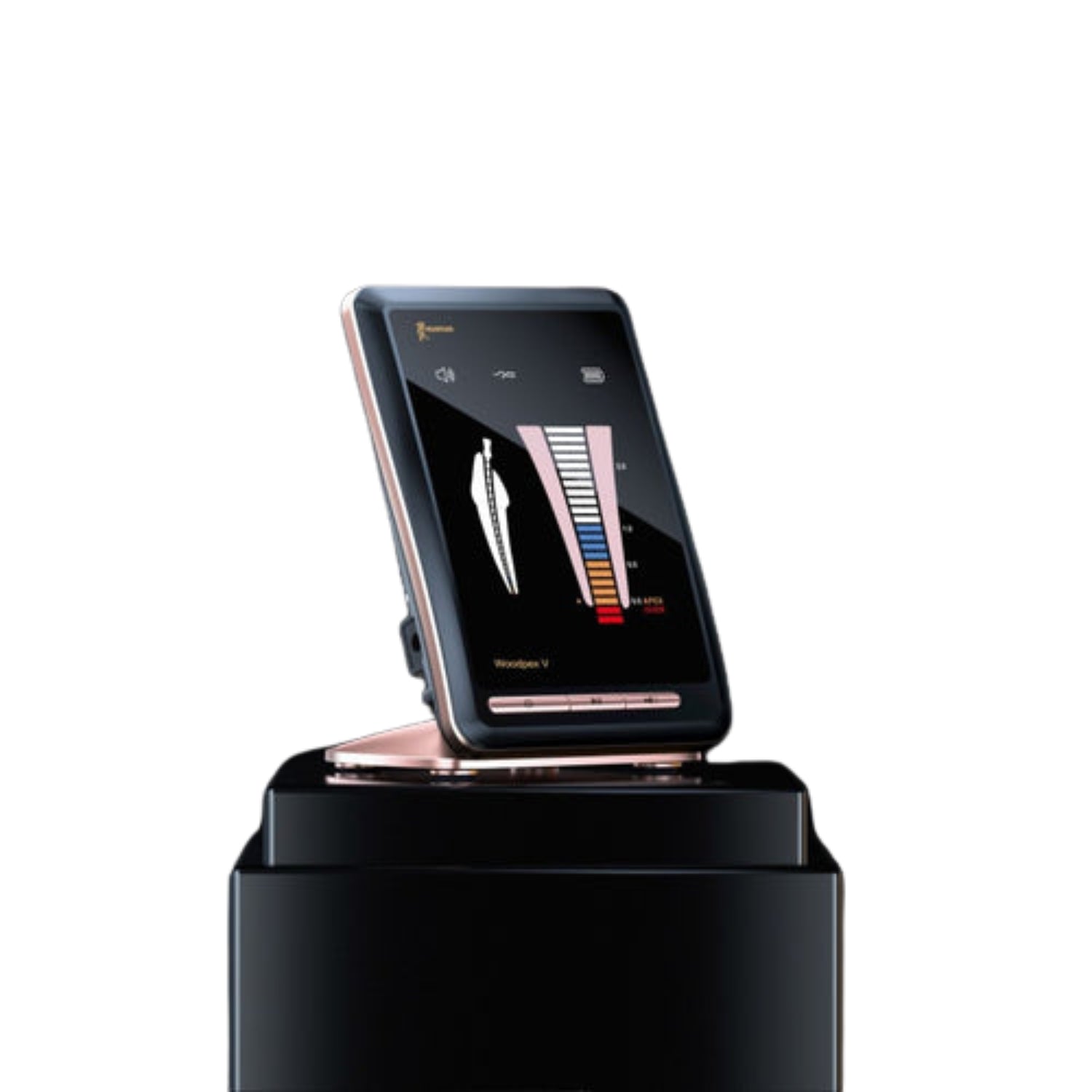
Determining the working length of a root canal is one of the most critical corridors of endodontic treatment. Traditionally, dentists relied heavily on radiographs to estimate the position of the apical condensation. Electronic apex locators now give a fresh, more dynamic system for achieving accurate measures.
How Apex Locators Work
Apex locators measure electrical resistance or impedance between the periodontal ligament and an endodontic train inside the conduit. When the train approaches the narrowest part of the root apex, the device detects a change in resistance and signals the clinician through visual pointers or audible tones.
Why They Are Useful
- Further precise working length determination helps prevent both over-instrumentation, which can irritate periapical tips, and under-medication, which may leave infected material ahead.
- Reduced use of radiographs allows fewer X-rays during length determination.
- Real-time feedback enables ultramodern bias displays to show train position continuously, allowing clinicians to acclimate instruments during treatment rather than counting solely on stationary images.
For both general interpreters and specialists, apex locators add delicacy and confidence to endodontic procedures.
Endodontic Motors - Perfecting Effectiveness and Control
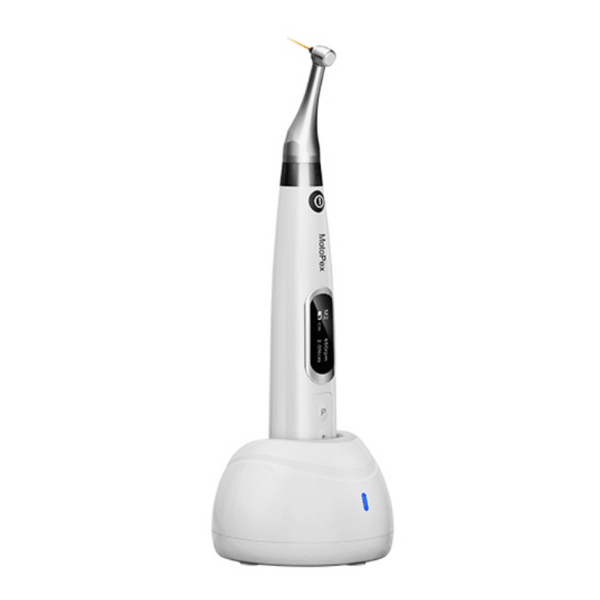
Root canal remedy involves shaping the conduits to remove infected kerchief and prepare the space for disinfection and obturation. Endodontic motors give automated control of train gyration, dog collar, and speed - factors that significantly impact shaping issues.
Features That Support Clinical Performance
- Torque control reduces the trouble of chain separation, especially in crooked conduits or complex deconstructions.
- Malleable speed settings allow clinicians to choose rotational speeds suited to the train system they're using, ensuring safe and effective slicing.
- Preset train systems simplify workflow and reduce chairside acclimatization.
- Integrated Apex Locator Options allow nonstop monitoring of train position while shaping the conduit.
Endodontic motors streamline conduit medicine and support more predictable results, especially in complex root structures.
Curing Lights - Restorative Dentistry
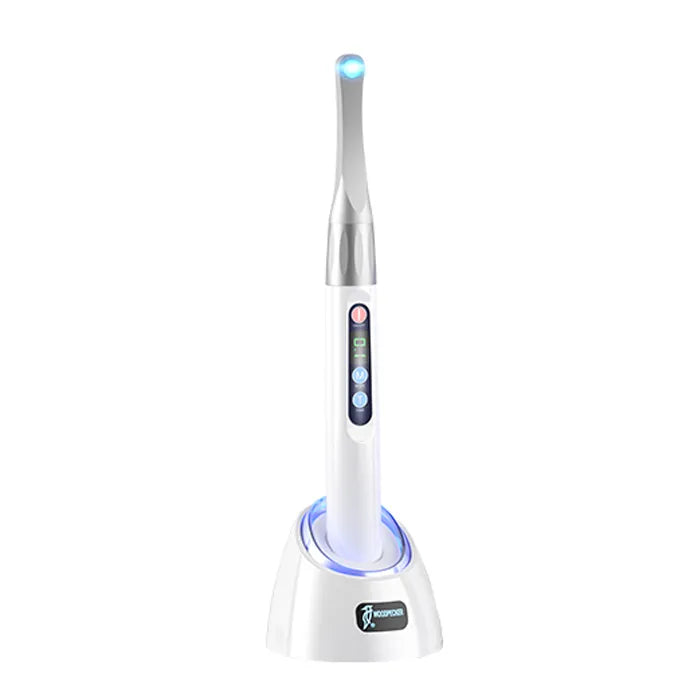
Curing lights are abecedarian tools in restorative dentistry, used to polymerize resin-ground paraphernalia like conflation paddings, sealants, relating agents, and some bonds. LED curing lights are particularly common due to their effectiveness and stable light affair.
What Makes LED Curing Lights Effective
- Harmonious light intensity ensures complete curing and better restoration continuity.
- Optimized wavelength matches photo initiator absorption for strong polymerization.
- Multiple modes and timekeepers allow curing adjustments based on density, shade, and recommendations.
- Ergonomic design improves access and reduces fatigue.
Proper curing fashion is essential for minimizing postoperative perceptivity and icing long-term success.
Conclusion:
Woodpecker product line represents orders of outfits that have come standard in dental practice. Each tool - whether a scaler, apex locator, endodontic motor, or curing light - serves a specific function that supports perfection, effectiveness, and dependable treatment issues.
The value of these tools lies in their capability to help clinicians give accurate, confirmation-based care. Understanding how each device works allows professionals to handpick an outfit that fits their clinical style, case conditions, and workflow.
As dentistry continues to advance, familiarity with these technologies remains essential for maintaining high morals in everyday practice.